Nigeria don propose regional partnership wey go allow am share Artificial Intelligence (AI) computing resources with Rwanda, Senegal and Kenya, as African governments dey look for ways to build stronger local AI technology.
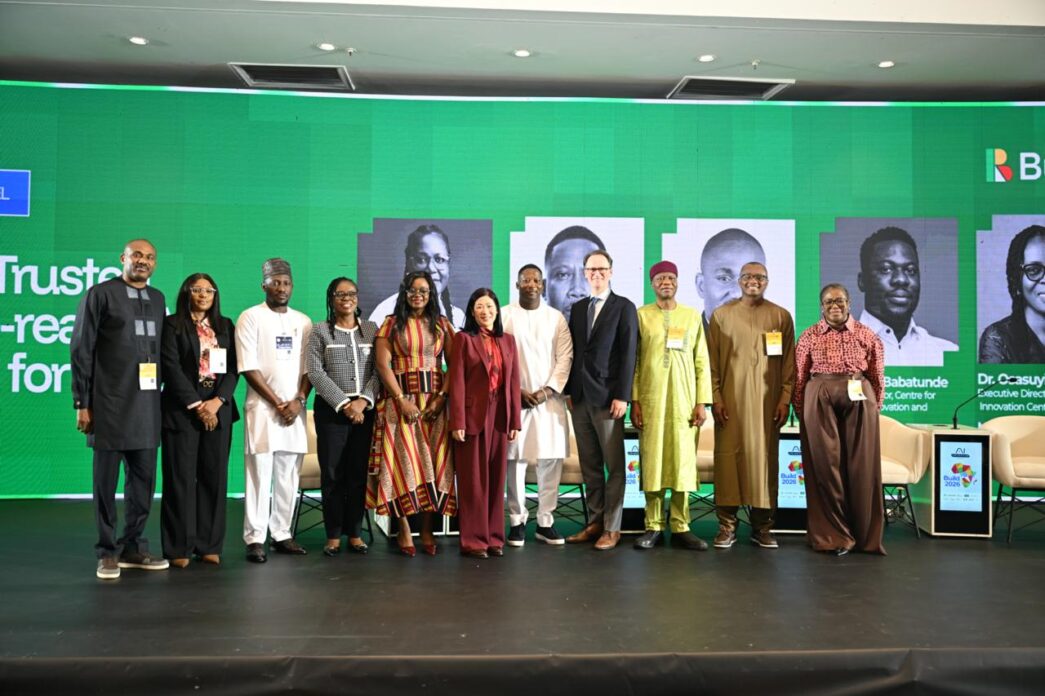
The Minister of Communications, Innovation and Digital Economy, Dr Bosun Tijani, present the proposal during BUILD 2026 conference wey hold for Abuja on October 21, 2026. The conference focus on how African countries fit work together to develop and share computing infrastructure for AI.
According to reports, the idea na to connect computing resources from different countries so researchers and developers fit handle AI projects wey one country alone fit struggle to support.
Why Nigeria Wants to Share Computing Power
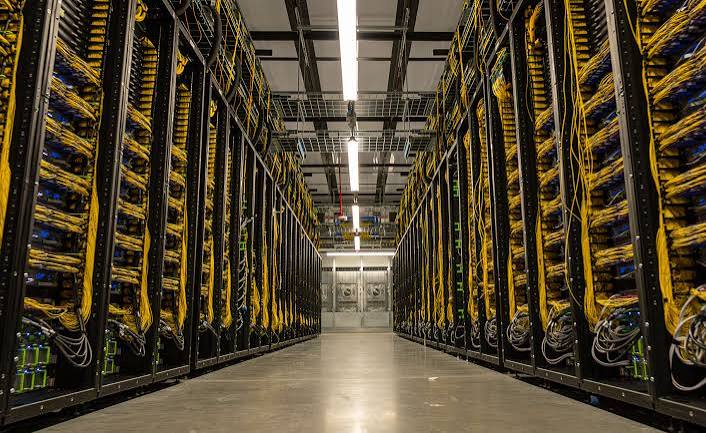
AI systems need serious computing power to train models, process information and run complex tasks. Some of these jobs require specialised chips, including graphics processing units (GPUs), wey fit cost plenty money to acquire and maintain.
The proposal go allow participating countries combine some of their available computing resources instead of depending only on the capacity wey each country get individually.
For example, if a Nigerian research team need more computing power to develop a large language model, the proposed arrangement fit allow am use resources from partner countries, subject to how the system eventually dey designed and managed.
The minister explain say Nigeria alone fit no get enough computing capacity for some large projects. But if different countries pool their resources together, dem fit support projects wey would otherwise be difficult to carry out.
However, the proposal no mean say the countries don already launch one shared AI computer system. The available reports describe am as a plan under consideration, and important implementation details still need clarification.
Electricity and Internet Still Be Big Problems
Even with shared computing resources, African countries still need reliable electricity, fast internet and suitable data centres to support AI development.
AI computing equipment fit consume plenty power, while data centres need stable electricity and cooling systems to operate properly. Poor connectivity fit also make it difficult for researchers to access computing resources from another country.
During the conference, Tijani highlighted electricity, broadband connectivity, cloud computing and access to advanced semiconductor chips as major challenges facing Nigeria and other African countries.
He also pointed to the high cost and supply challenges associated with advanced AI chips.
Nigeria dey explore plans for a Nigeria–Togo data park in Egbe, according to the minister’s remarks reported by TheCable. The proposed facility is intended to support computing infrastructure for Nigeria and other parts of West Africa.
But the data park and the regional shared-computing proposal should not be treated as completed projects. Their implementation, timelines and operating arrangements still need to be confirmed.
Wetin This Fit Mean for African Developers
If the shared-computing plan eventually becomes operational, e fit create more opportunities for African universities, startups, researchers and technology companies to work on AI projects.
Instead of every country needing to build all the computing infrastructure by itself, participating countries fit potentially share resources and collaborate on projects.
This could support the development of AI tools wey address African needs, including language technology, education, agriculture, healthcare and business services. These are possible areas of application, not confirmed outcomes of the proposal.
The plan also raise important questions about how participating countries go manage access, share costs, protect sensitive data and decide who controls the infrastructure.
For the partnership to work well, the countries go need clear agreements on funding, security, governance and how researchers from each country fit use the shared resources.
Africa Needs More Than AI Plans
Nigeria’s proposal show why regional cooperation dey become an important part of Africa’s AI conversation. But announcing a plan na only the first step.
Governments and technology partners still need to invest in electricity, fibre-optic networks, data centres, computing equipment and technical skills. Affordable access go also matter, especially for smaller startups and researchers wey no get the money to build their own infrastructure.
Nigeria’s AI ambition go depend not only on how much computing power the country fit access, but also on whether local innovators fit use am to build useful products and businesses.
WetindeyTech Verdict
Sharing AI computing power across African countries fit help reduce some of the barriers wey researchers and startups dey face. But the real test go be implementation: whether the countries fit agree on funding, provide reliable infrastructure and make the resources accessible to local innovators.
For now, the proposal na a potential step toward stronger African AI cooperation, not proof say a shared regional system don already start operating.
Question for readers: If Nigeria and other African countries create shared AI computing infrastructure, which local problem you think Nigerian developers suppose solve first — education, healthcare, agriculture, business or African-language .
Open free account to read the rest
E free and e quick. Na only your name and email. Once you enter, you fit read every story for WetindeyTech.
Enjoy this gist? Make e dey land for your inbox.