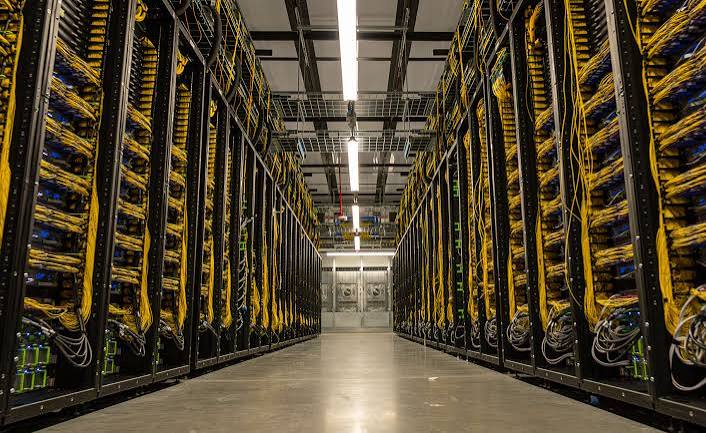
World Bank Group don announce new initiative wey aim to help governments for Africa and Latin America access the computing resources wey dem need to develop and run Artificial Intelligence applications.
The organisation announce the plan on 20 October 2026 as part of its first digital strategy, wey focus on expanding digital access, improving services and creating jobs for developing countries.
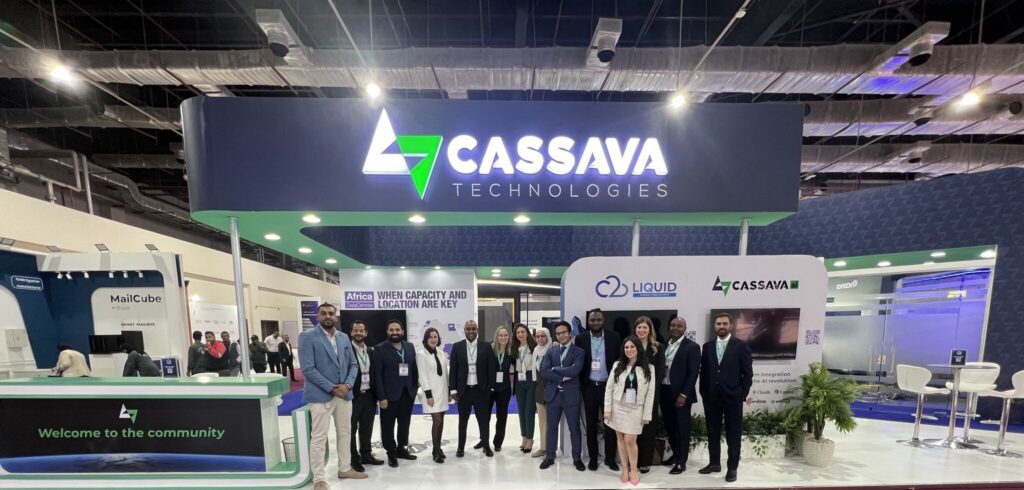
The initiative, wey dem call the AI Infrastructure and Readiness Initiative, go provide shared access to specialised computing infrastructure through a pay-as-you-go model. NVIDIA and Cassava Technologies don join as knowledge partners for the programme.
The plan dey address one major challenge for AI development: the cost of getting the powerful computer systems wey many AI applications need to work.
Instead of every country having to build and maintain its own national data centre, the initiative go offer governments another option to access computing resources.
However, the World Bank never announce the first countries wey go participate, the exact cost of accessing the infrastructure or when the service go become available.
The initiative still needs more implementation details before we fit know how governments go access the service and how much e go cost dem.
WHAT HAPPEN?
The World Bank Group introduce the AI Infrastructure and Readiness Initiative alongside its first digital strategy on 20 October 2026.
The wider digital strategy focus on four major areas: expanding reliable internet connectivity, making digital devices and data more affordable, improving digital services and skills, and helping countries prepare to benefit from artificial intelligence.
As part of the strategy, the World Bank announce plans to help governments in emerging markets access shared computing infrastructure through a pay-as-you-go arrangement.
The infrastructure go use Graphics Processing Units, wey people commonly call GPUs. These specialised processors dey help computers handle the heavy calculations wey many AI systems require.
The World Bank say this shared model go provide an alternative to building separate national data centres, wey fit require substantial investment, specialised skills and time to construct.
The initiative go initially focus on Africa and Latin America, with NVIDIA and Cassava Technologies serving as knowledge partners.
Even though the announcement don establish the direction of the initiative, important details about how the programme go operate still remain unclear.
WHO BE NVIDIA AND CASSAVA TECHNOLOGIES?
NVIDIA na technology company wey dey develop specialised computer chips and computing platforms used to build and run AI applications.
Its GPUs dey power different AI activities, including training AI models, processing large amounts of information and running applications wey use artificial intelligence.
Cassava Technologies na technology group wey dey provide digital infrastructure and technology services across African markets.
The company don already dey work on expanding AI computing infrastructure for Africa. According to ITWeb Africa, Cassava dey deploy NVIDIA-powered AI infrastructure in South Africa, with plans to expand to markets including Nigeria, Kenya, Egypt and Morocco.
Their involvement as knowledge partners connects the World Bank initiative with companies wey get experience in AI technology and digital infrastructure.
However, being named knowledge partners no automatically mean say the companies don promise to provide a particular amount of money, equipment or computing capacity to every participating country.
The exact responsibilities of the partners under the new initiative still need further clarification.
WHY E MATTER
Artificial Intelligence dey become useful for different sectors, including agriculture, healthcare, education and business.
But building and running AI applications fit require powerful computer systems, reliable electricity, specialised equipment and technical knowledge.
For example, a developer wey wan build an AI application to help farmers identify crop diseases may need computing resources to develop and operate the system.
A business fit also use AI to organise inventory, analyse information or improve some customer services.
For many developing countries, the cost of building and maintaining large computing facilities fit become a major challenge.
The World Bank's initiative aims to offer another way for governments to access these resources without having to build every facility independently.
The pay-as-you-go model means participating users would pay according to the computing resources they use, based on the eventual service arrangements.
However, whether this approach go actually reduce costs for individual countries go depend on the pricing, available capacity and conditions of access.
The initiative also highlights another important point: access to computing power alone no go solve every problem.
Countries still need reliable electricity, internet connectivity, skilled workers, useful data and strong protections for privacy and cybersecurity.
WETIN THIS MEAN FOR AFRICA?
For Africa, the initiative fit create another opportunity for governments to access the computing infrastructure wey dem need to develop and use AI technology.
African developers, researchers and businesses dey explore different ways to apply AI to local problems. But the cost of computing infrastructure fit limit how quickly some projects can grow.
WHAT HAPPENS NEXT?
The next important step na for the World Bank and its partners to provide more information about how the AI Infrastructure and Readiness Initiative go operate.
Governments and potential users go need details about the participating countries, how to access the computing resources, the cost of using the service and the amount of computing capacity available.
The World Bank's wider digital strategy also focuses on expanding internet connectivity, improving digital skills and making technology more affordable.
These areas go remain important because AI infrastructure alone no go guarantee say people and businesses fit benefit from the technology.
As more details emerge, African governments and technology businesses go have a clearer picture of how the initiative fit support their AI plans.
Until then, the announcement shows the direction of the programme, but e no yet establish exactly how much access individual countries or businesses go receive.
If the initiative provides affordable and accessible computing resources, governments fit have another option for supporting AI development without having to build every facility from scratch.
This fit become useful for projects wey focus on agriculture, healthcare, education and small-business operations.
For example, developers fit explore AI tools wey help farmers identify crop diseases, support health workers with information or help small businesses manage their stock.
These na possible applications of AI, no be confirmed projects under the new initiative.
For Nigeria and other African countries, one important question na whether local developers, universities, businesses and public institutions go eventually benefit from the infrastructure.
The continent also needs to consider the cost of accessing these services, the availability of reliable electricity and internet, and whether local experts go have the skills to develop useful AI applications.
Another important issue na data protection. Governments and businesses need to understand how their information go be stored, processed and protected when dem use shared computing infrastructure.
For now, the initiative na an announced plan, and the practical impact on African countries go depend on how the programme is implemented. The World Bank never published the full details about participating countries, pricing or the start date.
WETINDEYTECH VERDICT
AI development no depend on software alone. E also need computing power, reliable infrastructure, skilled people and access to useful data.
The World Bank initiative introduces another approach to helping governments access the computing resources wey AI applications require.
For Africa, the opportunity go depend on whether the infrastructure becomes affordable, accessible and useful to the countries and communities wey need am.
The announcement na an important development, but the real test go be how the initiative works when implementation begins.
QUESTION FOR READERS
If African businesses and developers get more affordable access to AI computing power, which problem for your community you think dem suppose use AI solve first?
Open free account to read the rest
E free and e quick. Na only your name and email. Once you enter, you fit read every story for WetindeyTech.

Enjoy this gist? Make e dey land for your inbox.