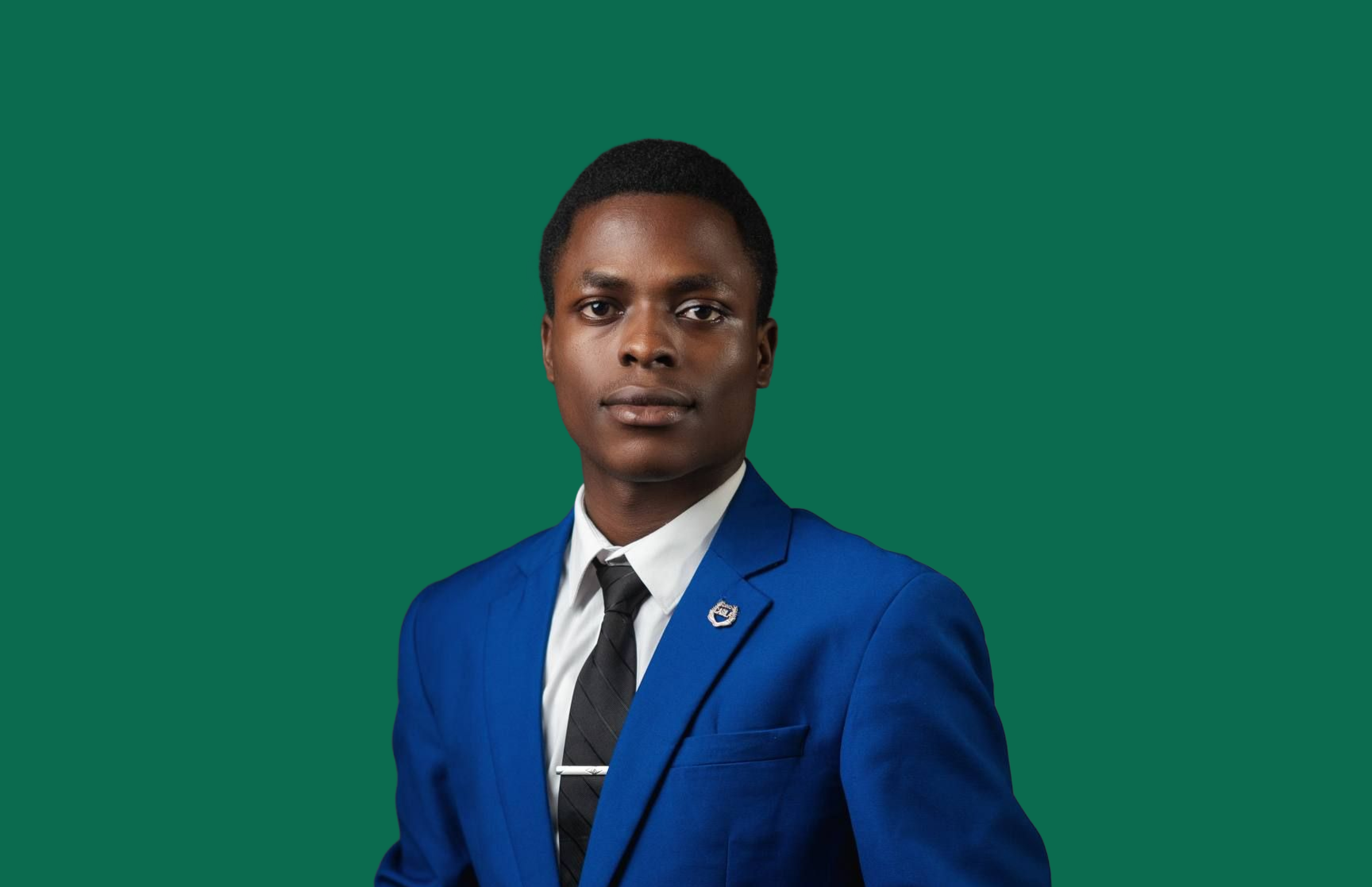
Building business for Nigeria no be only about getting customers and making profit. Sometimes, na staff wahala, missed opportunities, unexpected losses, and the ability to start again. Entrepreneur Adedamola “Bankhead” don share some of the hard lessons wey shape im journey from Lagos nightlife to technology.
Lagos Nightlife: Where Business Fit Turn to Survival Game
Running a hospitality business for Lagos fit look glamorous from outside. Fine parties, VIP tables, celebrities, luxury locations, and plenty money dey change hands.
But according to Bankhead, the reality behind the scenes fit tell another story.
The entrepreneur, wey don work with nightlife businesses including Bankhead Entertainment, Grill at the Pent, and Truth Beach Club, describe the industry as a difficult environment where business owners must pay close attention to staff activities and financial controls.
For one incident he recount during the interview, two hostesses allegedly intercepted VIP wristbands at his beach club, resold them, and kept the proceeds in a PiggyVest vault.
Bankhead said he pursued the matter legally and that the two women served one year in prison.
He also describe alleged financial misconduct involving kitchen staff.
According to his account, staff charged the business ₦60,000 weekly for yam supplies wey he believed should have cost around ₦22,000.
For another incident, he alleged that kitchen staff used baking powder to settle dirt in old cooking oil, making the oil appear cleaner so they could pocket money intended for fresh supplies.
These na allegations from his account of the business. Dem highlight the kind of internal-control problems wey hospitality operators fit face, but the individual incidents have not been independently verified here.
Bankhead’s main lesson na say business owners need clear rules, proper supervision, and reliable financial records.
For him, being too lenient with customers, friends, or staff when money dey involved fit put the entire business at risk.
The lesson no be say business owners must treat everybody like enemy. Na say trust needs proper systems to support am.
The Uber Opportunity Weh Bankhead Says He Missed
One of the most interesting parts of Bankhead’s story concern Uber’s early entry into Nigeria.
According to his account, around 2014, before Uber officially launched in the country, a member of the company’s launch team approached him for help sourcing 3,000 cars and using his entertainment-industry connections.
Bankhead says he helped establish the company’s first office, source vehicles, recruit drivers, and secure M.I. Abaga as an early sign-up.
He said he received contractor fees of approximately $100,000 instead of negotiating for equity in the business.
Looking back, he believes that taking an ownership stake could have created a much bigger long-term financial opportunity.
The experience became one of the defining lessons of his entrepreneurial journey.
At the time, immediate payment made sense to him. But with hindsight, he sees the difference between getting paid to help build a business and owning part of the business itself.
There is an important distinction here: his suggestion that owning 10% of Uber Nigeria would have created generational wealth is a hypothetical reflection, not a verified calculation of what that stake would have been worth.
Still, the underlying business lesson remains relevant.
When an entrepreneur helps another company enter a market, the compensation structure matters. A contractor fee, commission, equity stake, and long-term revenue-sharing arrangement can produce very different outcomes.
Sometimes, the biggest opportunity no be only the money wey enter today. Na the value you negotiate to own tomorrow.
The ₦2 Billion Truth Beach Club Loss
Another major setback came through Truth Beach Club, a luxury hospitality business located at Landmark Beach in Lagos.
According to Bankhead, the Lagos-Calabar Coastal Road project brought an unexpected end to the business.
He said the property was not initially marked for demolition like neighbouring establishments because of its position closer to the water.
But the situation later changed.
Bankhead claims he received only four hours to evacuate equipment from a property covering approximately 4,700 square metres and containing five swimming pools and extensive infrastructure.
He estimates the resulting loss at ₦2 billion and says he received virtually no compensation.
For any entrepreneur, losing a business of that scale could mean more than losing physical assets. It can also affect employees, business relationships, future plans, and personal finances.
Bankhead said the experience caused him significant emotional distress.
Yet his response to the situation was not entirely negative. He acknowledged the potential long-term infrastructure benefits of the coastal road, even while describing the financial consequences for his business.
His position reflects a difficult reality for businesses operating in areas affected by major infrastructure projects: public development plans and private investments do not always align.
The experience also reinforced his view that personal relationships and connections cannot guarantee protection when larger forces determine the future of a business.
The reported loss and demolition timeline reflect Bankhead’s account and have not been independently verified for this article.
From Nightlife to Technology: The Fan Vault Plan
After years in hospitality, Bankhead began looking towards technology businesses he believes can grow beyond the limitations of physical locations.
One of his projects is Fan Vault, a platform designed to help creators monetise their audiences.
The idea addresses a problem he sees in the creator economy: African entertainers, influencers, podcasters, and other digital creators can attract large audiences without necessarily earning enough money directly from those fans.
Some international platforms rely on payment systems and currencies that may create barriers for African users.
Bankhead argues that these barriers make it harder for creators to turn local audiences into paying subscribers.
Fan Vault aims to address this problem by allowing fans across African markets to subscribe to creators using local currencies, including naira, cedis, and shillings.
The platform also aims to let creators split revenue with collaborators.
For example, a podcaster could potentially offer exclusive content to paying subscribers, while a creator could earn recurring revenue from fans who want access to premium material.
This model could provide another income stream beyond advertising, sponsorships, and brand partnerships.
However, the platform’s actual reach, available payment methods, creator adoption, and financial performance would need to be established separately.
Why African Creators Need Better Ways to Make Money
Bankhead believes African creators often generate significant attention online without receiving income that matches their audience size.
Views and followers can create visibility, but visibility alone does not guarantee revenue.
Creators still need ways to convert attention into paying customers.
This is where subscription platforms, digital memberships, and direct-to-fan payments can become useful.
Instead of depending entirely on advertising or waiting for brands to offer sponsorship deals, creators can build paid relationships with their most loyal supporters.
For African markets, local-currency payments could make these services easier to access for people who do not routinely transact in dollars.
The opportunity extends beyond social media influencers. Nollywood veterans, independent entertainers, educators, and podcasters could potentially use subscription models to monetise exclusive content and build more predictable income streams.
But the model still depends on whether fans are willing and able to pay, whether the platform can process payments reliably, and whether creators can consistently offer content worth subscribing to.
Fan Vault’s success will ultimately depend on how well it solves these problems in practice.
The Bigger Lesson: Build Businesses That Can Grow Beyond You
Bankhead’s journey connects several different sides of entrepreneurship.
Hospitality businesses depend heavily on physical locations, employees, inventory, and daily operations. Technology platforms can offer different opportunities for scale, although they come with their own technical, financial, and operational challenges.
His experience also highlights the importance of understanding ownership, managing risks, and thinking about long-term value.
A contractor fee may provide immediate income. Equity may offer a share of future value, but it also carries uncertainty and can become worthless.
A physical business may generate revenue for years, but it can still face unexpected disruption.
A technology platform may reach customers across borders, but it must still earn their trust, solve real problems, and build a sustainable business model.
There is no single formula for building generational wealth.
However, Bankhead’s experiences suggest that entrepreneurs need to think carefully about what they own, how they manage their businesses, and whether their business models can survive unexpected setbacks.
The Bottom Line
From the Lagos nightlife industry to the reported demolition of Truth Beach Club and the development of Fan Vault, Bankhead’s story highlights the risks and opportunities involved in building businesses in Nigeria.
His experiences raise important questions about internal controls, compensation negotiations, business continuity, and how African creators can earn more directly from their audiences.
The move into technology represents a new chapter in his entrepreneurial journey, with Fan Vault aiming to connect creators and paying fans across African markets.
For entrepreneurs, the lesson no be simply to work harder. Na to understand the risks, negotiate wisely, build systems, and create businesses wey fit continue to deliver value even when circumstances change.
Enjoy this gist? Make e dey land for your inbox.