Everybody Dey Chase Lagos Customers! Mealfed Wan Carry Delivery Go Where Google Maps Fit Need Holy Spirit and Prayer 😂🚚
Everybody wan build for Lagos. Everybody wan capture Abuja. Everybody wan their app to trend for social media.
But who go remember the people wey dey outside these big cities? 👀😂
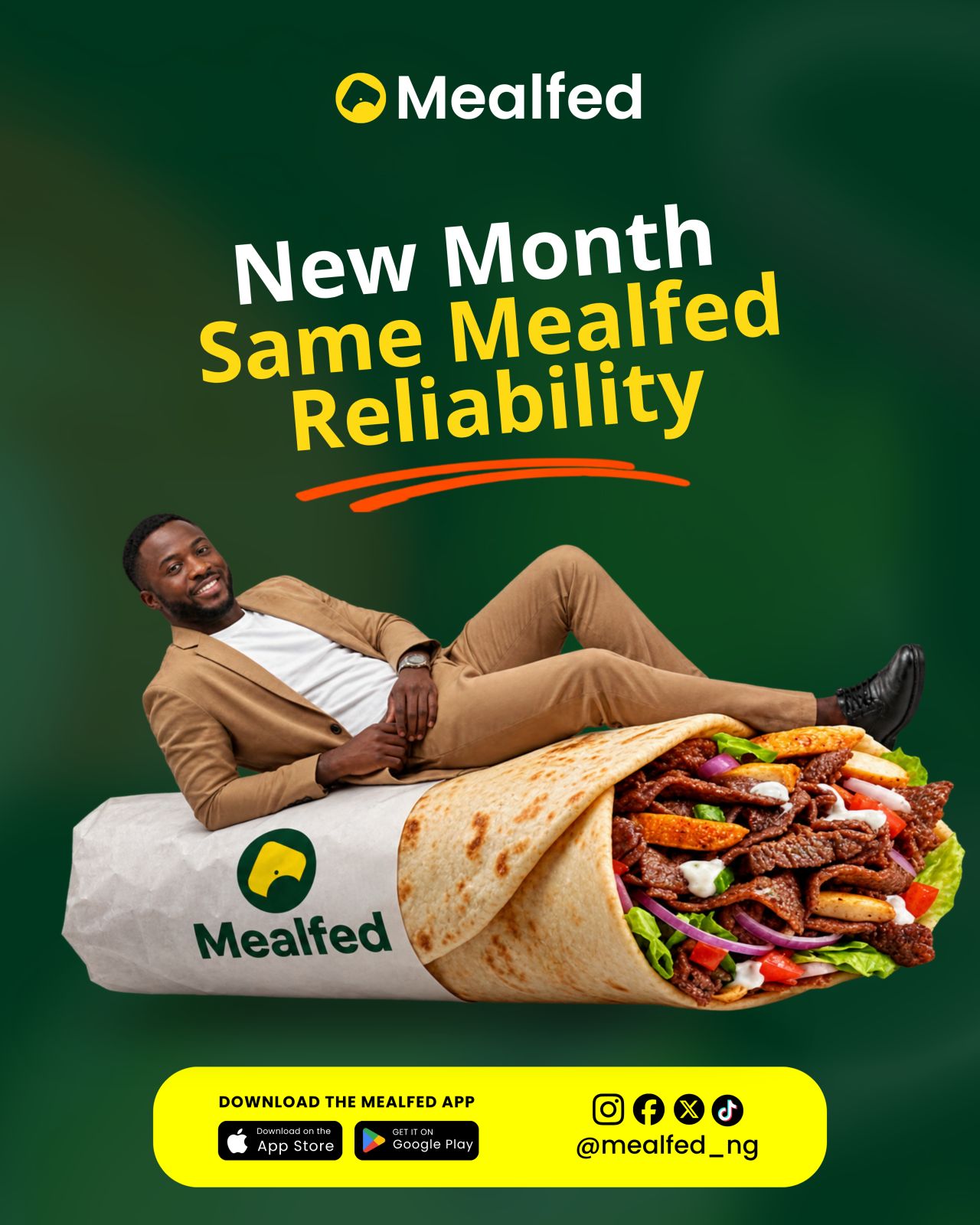
Omo, for African tech ecosystem, e be like say every founder don attend the same meeting.
One person launch food delivery app. Another person launch food delivery app. Another founder wake up one morning, drink coffee, open laptop, and say, “I get one billion-dollar idea!”
The idea? Another delivery app. 😭😂
Everybody dey rush the same customers like say Lagos get only 500 people and na everybody dey compete to deliver lunch to them.

Meanwhile, people dey live for other communities too. Dem dey hungry. Dem dey shop. Dem dey run businesses. Dem get money to spend.
Or because person no dey live for Lekki, Victoria Island, or Ikoyi, e don automatically lose the right to enjoy convenience? 😂
Na this conversation Mealfed wan bring enter the picture.
According to the company, millions of African consumers dey live for communities wey technology companies barely notice.
And the big question be this:
Wetin happen to all those customers wey dey outside the usual startup spotlight?
Make we gist. 🍿
🏘️ Big Cities No Be Where All the Money Dey Hide!
Make we reason am small.
When tech companies dey plan expansion, big cities naturally dey attract attention. Dem get plenty potential customers, established businesses, and infrastructure wey fit make operations easier.
But e get one small problem.
When everybody dey chase the same customers, competition fit turn to WWE Royal Rumble. 😂🥊
Everybody dey fight for attention. Everybody dey spend money to acquire customers. Everybody wan become the next big thing.
Meanwhile, some communities still dey struggle to access convenient services.
People for those places still need food. Vendors still need customers. Businesses still need ways to reach more people.
Their money no be Monopoly money. Their needs no be imaginary. And their time no be something wey dem manufacture for the village square. 😭😂
The opportunity no necessarily be say these communities no get customers. E fit be say businesses never do enough to understand and serve them.
But before anybody go carry laptop enter one community and shout, “We are disrupting the market!”, make we remember something.
Serving underserved communities no be child’s play.
You no fit just copy one business model from Lagos, change the location name, and expect customers to begin throw money at you like celebrity for music video. 😂💸
You need to understand the people, their environment, their buying habits, and the problems wey dem actually want you to solve.
Na there the real work dey.
🚚 Mealfed Don Complete 1,500+ Deliveries. Omo, The Work Don Start!
According to Mealfed, the company don complete more than 1,500 deliveries since January 2026.
Yes, 1,500+ deliveries!
No be just to wake up, design one fine app, put “Coming Soon” for landing page, and begin post motivational quotes every Monday. 😂😂
The company says each delivery don teach the team something about the market.
And the people wey dey teach dem no be lecturers wey dey stand for front of classroom.
Na the actual people wey make the business work:
📦 Customers: The people wey place orders and expect their goods to arrive without turning the delivery into a Netflix series.
🏪 Vendors: The business owners wey need customers and reliable ways to sell their goods.
🏍️ Riders: The people wey carry orders from one place go another, sometimes facing road conditions wey fit make Google Maps itself ask, “My friend, are you sure?” 😭😂
These three groups na important parts of any delivery business.
If customers no trust you, wahala.
If vendors no fit fulfil orders, wahala.
If riders no fit deliver reliably, premium wahala.
And if all three experience problems at the same time? Congratulations! You don create a group project wey nobody wan participate in. 😂💀
This na why running a delivery business involves more than building an app.
You need systems wey fit work outside your laptop screen.
You need to understand delivery times, distances, vendor reliability, customer expectations, and the cost of fulfilling each order.
Because one thing be to tell investors say your platform can deliver anything, anywhere.
Another thing be to make sure the customer actually receives the order.
For delivery business, the app fit get five-star design, but if the food never reach the customer, na hunger go write the review. 😂🍲
However, Mealfed has not provided a public breakdown of these 1,500+ deliveries in the information supplied for this report.
We no yet get verified details about its delivery success rate, revenue, the number of active customers, or the exact communities it currently serves.
Those details go help people understand how the business dey perform beyond the headline figure.
🧠 Why Copying Lagos Business Models Fit Give You Premium Headache
Make we talk about one mistake wey some founders fit make.
You see one business model wey dey work for a major city. You like am. You study the app. You observe the marketing. You see the customers.
Then you say, “I don understand this business. Make I carry am go another location.”
Oga, calm down. 😂✋
Understanding the app no mean say you understand the market.
A delivery strategy wey works for one neighbourhood fit struggle for another because of distance, road conditions, vendor availability, customer behaviour, or the cost of moving orders around.
For one location, riders fit complete several deliveries within a short distance.
For another, one delivery fit require more time, more fuel, and enough patience to qualify for a motivational podcast. 😭🏍️
That difference fit affect the entire business model.
And na why Mealfed dey emphasise local knowledge, operational discipline, and patience.
The company believes say businesses need to understand each community instead of assuming one strategy go work everywhere.
Honestly, na an important point.
You no fit understand a market by looking at am through Google Maps alone. Sometimes, you need to enter the market, talk to the people, do the work, and learn from the experience.
Because customers no dey buy your business plan.
Dem dey buy the value wey your business gives them.
If your service no solve their problem, your beautiful pitch deck fit remain beautiful forever. 😂📊
😂 Technology Fit Help You Deliver. But E Never Learn How to Fly Over Bad Roads!
Make we clear one thing.
Technology fit make ordering easier. E fit help businesses organise orders, coordinate operations, and communicate with customers.
But technology no automatically solve every physical problem.
Your app fit calculate the fastest route, but e no fit magically turn a terrible road into a smooth highway.
Your algorithm fit estimate delivery time, but e no fit control every delay wey happen outside.
And your AI assistant fit answer customer questions with confidence, but e no fit personally carry jollof rice enter somebody’s house. 😂🤖
At least, not without the physical operations to make am happen.
This na why logistics businesses need more than technology.
Dem need good operational processes, dependable partners, realistic pricing, and a clear understanding of the places wey dem serve.
The technology na one part of the solution.
The actual service na the other part.
If the two no work together, the customer go remind you say business no be computer game. 😭😂
💰 Mealfed Wants to Raise $100,000. But Wetin Go Happen Next?
Now, make we enter the money matter. 💵👀
Mealfed says e dey raise $100,000 to take the business enter its next stage.
The company dey position itself around African commerce, logistics, and underserved communities wey it believes deserve more attention from technology businesses.
But as with every fundraising announcement, the important questions no stop at the amount.
How does Mealfed plan to use the $100,000?
Will the money go towards expanding into new communities? Improving delivery operations? Building technology? Recruiting more riders? Bringing more vendors onto the platform?
And how will the company make sure say growth no turn to expensive wahala?
These na questions wey investors and people wey dey follow the company go naturally want answers to.
The information supplied for this report no include Mealfed’s current revenue, company valuation, proposed use of funds, or investment terms.
So, we no go pretend say we know the full fundraising picture when those details never dey available.
But one thing be clear from the company’s stated direction: Mealfed wants to grow beyond the initial work and use what e don learn from its deliveries to guide its next move.
The real test go be whether the company fit turn that experience into a reliable, affordable, and sustainable business.
Because raising money fit help a startup move faster.
But if the business model no work, more money fit simply help the problems arrive earlier. 😂💸
🌍 The Real Lesson for African Founders
This story get one important lesson for anybody wey dey build a business in Africa.
Sometimes, when everybody dey rush towards one market, we fit forget to ask whether other markets deserve attention too.
We dey look at the places wey already get established businesses, visible demand, and familiar infrastructure.
But there fit also be opportunities in communities wey require more research, more patience, and a different approach.
The challenge no be just to enter those markets.
Na to understand them well enough to build something people genuinely need and can afford.
For Mealfed, the company says its first 1,500+ deliveries don provide practical lessons from customers, vendors, and riders.
Now, as e seeks $100,000, the next chapter go depend on how well the team can apply those lessons.
Can the company expand without compromising delivery reliability?
Can it keep the service affordable while controlling operating costs?
Can it build enough customer trust to encourage people to keep using the platform?
Those na the questions wey matter beyond the funny headline.
Because African consumers no be one giant group of people with identical needs.
One community fit need a different service from another. One location fit require a different operational strategy. And one business model fit need serious adjustment before e can work somewhere new.
The opportunity no be simply to go where other companies never reach. Na to build a business wey can serve those customers properly.
And that one? Na where the real entrepreneurial work dey. 🚀
👀 So, Is Mealfed on to Something?
Mealfed says e don complete more than 1,500 deliveries since January 2026 and now dey raise $100,000 for its next stage of growth.
The company’s approach raises an interesting question for African tech:
Are we paying too much attention to the customers everybody already knows, while overlooking other people wey also need better services?
Maybe the next interesting business opportunity no dey inside the same crowded market everybody dey rush enter.
Maybe e dey in understanding a customer group wey other businesses never take enough time to understand.
But opportunity alone no be enough.
The business still needs reliable operations, customer trust, sustainable economics, and the ability to grow without losing the quality of its service.
Mealfed’s next chapter go show how far the company fit take this idea.
And if there’s one thing every founder should remember, na this:
No be every big opportunity dey shout. Some dey wait for the person wey ready to listen. 👀🚀
And please, if your startup wan enter a new market, no just change the location on your website and call am expansion. Go understand the people first. 😂
Because the customer wey you ignore today fit be the market wey you go wish say you understood tomorrow.
⸻
Editor’s Note: This article is based on information supplied by Mealfed. The company’s reported delivery figures, fundraising target, and operational claims have not been independently verified. Details about revenue, delivery performance, active customers, target communities, and investment terms were not included in the supplied information.
Enjoy this gist? Make e dey land for your inbox.