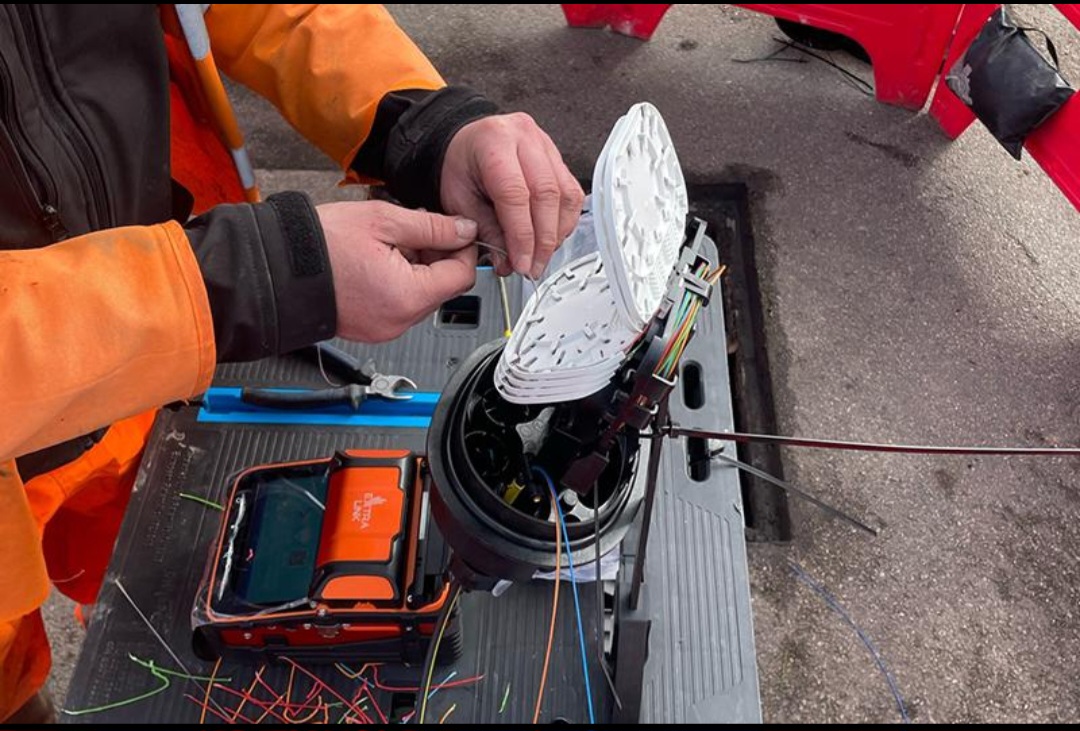
Nigeria don record more than 5,000 fibre-optic cable cut incidents between January and June 2026, according to the Nigerian Communications Commission (NCC).
The commission disclose the figure on 11 August 2026 during a stakeholders’ workshop for Abuja, where e call on road construction companies, contractors, engineers and government agencies to do more to protect fibre-optic cables during construction and excavation work.
Fibre-optic cables na important part of the infrastructure wey telecommunications companies dey use to carry large amounts of data across different locations. Dem help connect networks and support internet access, phone calls, digital payments and other online services.
According to the NCC, road construction, excavation and related civil works contribute to the damage. The commission say better coordination between construction companies, telecom operators and government agencies fit help prevent avoidable disruptions.
The issue no concern telecommunications companies alone. When important cables get damaged, people and businesses wey depend on the affected networks fit also experience service interruptions.
HOW FIBRE CUTS FIT AFFECT EVERYDAY LIFE
Fibre-optic cables dey carry data through thin strands of glass or other suitable materials using light signals. Telecommunications operators use fibre networks to connect different parts of their infrastructure and support internet and communication services.
When construction work damage an important fibre cable, the affected network fit experience disruption. The level of impact go depend on which cable dem damage, the number of alternative routes available and how quickly technicians fit repair am.
For ordinary Nigerians, this kind disruption fit mean slow or unavailable internet, difficulty making calls, or problems accessing online services.
Businesses wey depend on digital payments, online orders and internet-based communication fit also experience delays when their network connections fail.
For example, a small business wey depend on internet connectivity to process customer payments fit struggle to complete transactions if its service provider experiences an outage.
Hospitals, schools, public institutions and other organisations wey rely on digital systems fit also face challenges when connectivity becomes unavailable.
However, no be every fibre cut go cause a nationwide outage. The effect of each incident depends on the location of the damaged cable and the network's ability to reroute traffic through other connections.
WHY ROAD CONSTRUCTION DEY PART OF THE PROBLEM
Road construction and telecommunications infrastructure often occupy the same physical space.
Fibre cables fit pass underground beside roads, through drainage areas or along routes where construction and maintenance work dey take place.
When contractors begin excavation without knowing where existing cables dey located, their equipment fit accidentally damage the infrastructure.
The NCC say many of these incidents happen during road construction, excavation and related civil works. The commission therefore dey call for stronger coordination before, during and after construction projects.
This no mean say road construction should stop. Instead, the challenge na how to improve planning so that government and private contractors fit build roads while protecting the communication networks wey people and businesses depend on.
Better cable mapping, clear markings, early communication with telecommunications operators and proper checks before excavation fit help reduce avoidable damage.
WETIN THE NCC DEY DO ABOUT AM?
The NCC don call for stronger cooperation between telecommunications operators, construction companies, engineers and government agencies to protect fibre-optic infrastructure.
According to the commission, a Standing Committee on the Protection of Fibre Optic Cables don been established by the relevant federal ministries to develop better coordination mechanisms for construction and other civil works.
The Office of the National Security Adviser also joined the committee because telecommunications infrastructure has been designated as Critical National Information Infrastructure.
The goal na to make protection of fibre cables part of normal project planning, rather than waiting until damage happen before the different organisations begin to respond.
The NCC also dey encourage stakeholders to share information about cable locations and coordinate their activities before excavation begins.
If these measures work as intended, dem fit help reduce avoidable damage, lower repair costs and limit interruptions to communication services.
WETIN THIS MEAN FOR AFRICA?
Nigeria's fibre-cut problem highlights one wider challenge for African countries: building digital infrastructure no end when cables and network equipment don install. The infrastructure also needs proper protection, maintenance and coordination with other public works.
As businesses, governments and individuals depend more on digital services, reliable connectivity becomes increasingly important for everyday activities.
For small businesses, stable internet access fit support online sales, digital payments, customer communication and access to cloud-based tools.
For schools and healthcare providers, connectivity fit help people access digital learning materials, information and online services.
Damage to important network infrastructure fit interrupt these activities and create additional costs for both service providers and their customers.
The Nigerian experience shows why governments, telecom operators and construction companies need to treat digital infrastructure as an important part of national development.
Although the NCC's reported figures concern Nigeria, other African countries wey dey expand their road networks and digital services fit also benefit from stronger coordination between construction projects and telecommunications infrastructure.
WHAT HAPPENS NEXT?
The next step na to turn the calls for better coordination into practical action.
Construction companies need reliable information about where fibre cables dey located before excavation begins. Telecommunications operators need to maintain accurate infrastructure records and share relevant information with the appropriate authorities.
Government agencies also need to include telecommunications infrastructure in road planning and project approval processes.
The NCC's August 2026 announcement emphasised the need for stakeholders to work together to protect fibre-optic cables during road construction, rehabilitation and other civil works.
How well these measures are implemented go help determine whether Nigeria fit reduce future incidents and protect the digital services wey citizens and businesses depend on.
WETINDEYTECH VERDICT
Fibre-optic cables may dey underground or out of sight, but the services wey dem support dey part of everyday life.
The report of more than 5,000 fibre-cut incidents during the first half of 2026 shows why Nigeria needs stronger coordination between road construction and telecommunications projects.
The solution no be to stop building roads. Na to ensure say infrastructure projects dey planned together, cable locations dey properly documented and contractors know how to avoid damaging existing networks.
As Nigeria's digital economy continues to grow, protecting the infrastructure behind internet access and communication should remain an important priority.
QUESTION FOR READERS
Have you ever experienced poor internet or a network outage during an important activity? Wetin you think government, construction companies and telecom operators suppose do to prevent these disruptions?
Open free account to read the rest
E free and e quick. Na only your name and email. Once you enter, you fit read every story for WetindeyTech.

Enjoy this gist? Make e dey land for your inbox.