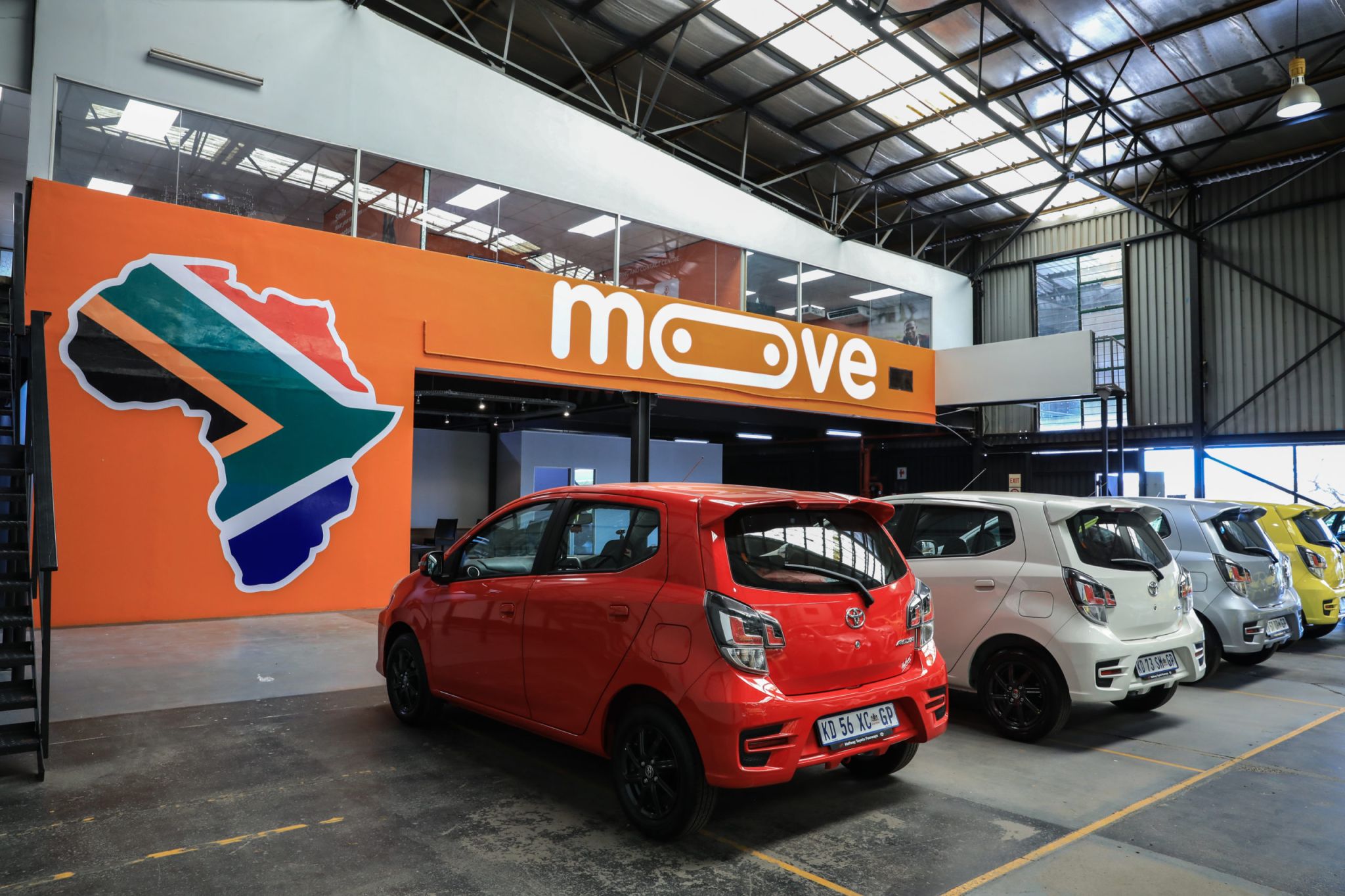
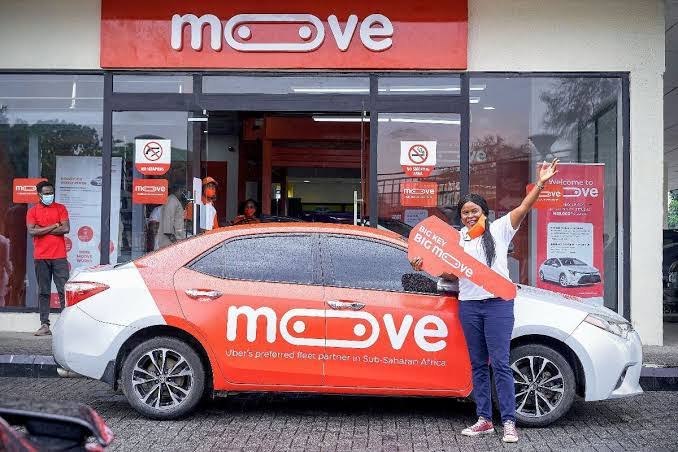
Moove start with just 76 vehicles for Lagos. Six years later, the company don grow reach about 42,000 vehicles across 29 cities for 13 countries. But despite this international growth, e don decide to leave Nigeria, the same country wey e start from.
The announcement come on October 8, barely five weeks after Uber announce say e don end im operations for Nigeria.
The interesting part be say Moove raise $250 million for August 2026, with the company reportedly valued at $2.1 billion. The money dey support im international expansion, including im autonomous mobility business.
So, how company wey dey expand globally take decide to leave the market wey give am im beginning?
Make we break am down.
From 76 Cars to Thousands of Vehicles
When Moove start for 2020, the company identify one major problem for Nigeria’s ride-hailing industry.
Plenty people wan make money as drivers, but dem no get enough money to buy cars.
Moove enter the picture with one solution: instead of drivers struggling to buy vehicles themselves, the company go finance the cars and allow drivers to pay over time through earnings from their work.
The model give drivers opportunity to access vehicles without paying the full cost upfront. Depending on the arrangement, drivers fit gradually work towards owning the cars through Moove’s Drive-to-Own programme.
According to the figures provided by the company, more than 9,000 customers use its Drive-to-Own and rental products for Nigeria.
Vehicles financed through Moove reportedly generate approximately ₦57 billion in revenue.
For drivers wey no fit afford to buy cars outright, the arrangement provide another way to enter the ride-hailing business.
But the model get one important condition: drivers need to continue earning enough money to meet their repayment obligations.
And na there the problem begin.
Uber’s Exit Change the Equation
Moove’s business no operate in isolation. E depend on the economic activities wey help drivers generate income and repay their vehicle financing.
Uber na one important part of that arrangement for Nigeria.
When Uber leave the Nigerian market, e change the conditions wey support Moove’s business model.
According to Moove co-founder Ladi Delano, the company assess its available options and conclude say e no fit sustain its Nigerian operating model without Uber.
This one show an important challenge for businesses wey finance assets based on the income their customers expect to earn.
The vehicle fit still dey useful. The driver fit still need am. People fit still need transportation.
But if one major platform wey drivers depend on for income disappear, the ability to repay vehicle financing fit change significantly.
In simple terms, the cars no necessarily lose their value overnight, but the business assumptions behind the financing fit change.
The ₦35 Billion Twist: Drivers Fit Become Full Owners
Now, here be the part wey make this exit arrangement particularly interesting.
According to Moove, eligible vehicles worth about ₦35 billion go transfer into the full ownership of the customers wey dey currently operate them.
The company say eligible customers no go need to make further payments to Moove for those vehicles from October 1.
Moove also announce say e go give cars to its Nigerian employees.
For eligible drivers, this arrangement fit make a significant difference. Instead of continuing to make payments to Moove under their existing arrangements, dem fit become full owners of the vehicles covered by the announcement.
That fit give them more control over their assets and how dem choose to use them for future business.
However, the announcement no mean say every driver or every vehicle automatically qualify. The eligibility conditions still matter.
And ownership of a vehicle no automatically guarantee say the person go continue to earn the same income as before.
Drivers still need customers, reliable sources of work and a sustainable way to cover operating expenses.
The Bigger Lesson for Startups and Fintech Companies
Moove’s exit raise one important question for every founder, investor and business wey dey finance assets.
What happens when the source of income wey supports your business model suddenly disappears?
Imagine say you build a business around financing motorcycles, cars, delivery bikes or equipment.
You provide the assets upfront, while your customers repay you gradually from the income those assets help them generate.
Everything fit work well when customers dey earn consistently.
But what happens if the platform wey supplies their customers suddenly closes? Wetin happen if regulations change, demand drop or one major commercial partner withdraw?
Your customers fit still get the assets, but their ability to repay you fit reduce.
This na why asset financing no suppose depend only on the value of the asset. The business must also understand the reliability of the cash flow wey go support repayment.
For Moove’s Nigerian operations, Uber’s departure was a major change to the operating environment. According to the company’s explanation, without Uber, the Nigerian business model could no longer remain sustainable.
This does not establish that Moove’s entire global business has failed. The company has expanded beyond Nigeria and continues to pursue opportunities in other markets.
But the Nigerian exit highlights how a business can grow internationally and still face a major challenge when an important part of its local operating model changes.
WetindeyTech Take
Make we talk true: getting cars into drivers’ hands na only one part of the business. Making sure those drivers can consistently earn enough to pay for the cars na another matter entirely.
Moove’s story show why founders need to look beyond growth figures, funding announcements and the number of assets under management.
If your business depends on another company’s platform, ask yourself three questions:
1. Where does the money come from? Understand exactly how your customers generate the income wey dem use to pay you.
2. How dependent are you on one partner? If one major platform or customer disappears, can your business survive?
3. What happens when things change? Have you considered what happens when regulations, market conditions or customer demand change?
These questions matter for ride-hailing, logistics, equipment financing, buy-now-pay-later services and plenty other businesses.
Moove’s journey from 76 vehicles in Lagos to a global fleet shows how far a business idea can travel.
But its Nigerian exit also reminds founders of one uncomfortable truth: growth fit make a business bigger, but e no automatically make the business model stronger.
Sometimes, the biggest test of a business no be how fast e grows when everything dey work.
Na wetin happen when one important part of the system stop working.
Wetin you think? Should asset-financing companies depend on one major ride-hailing platform, or should dem build alternative ways for drivers to earn? Share your thoughts.
Enjoy this gist? Make e dey land for your inbox.