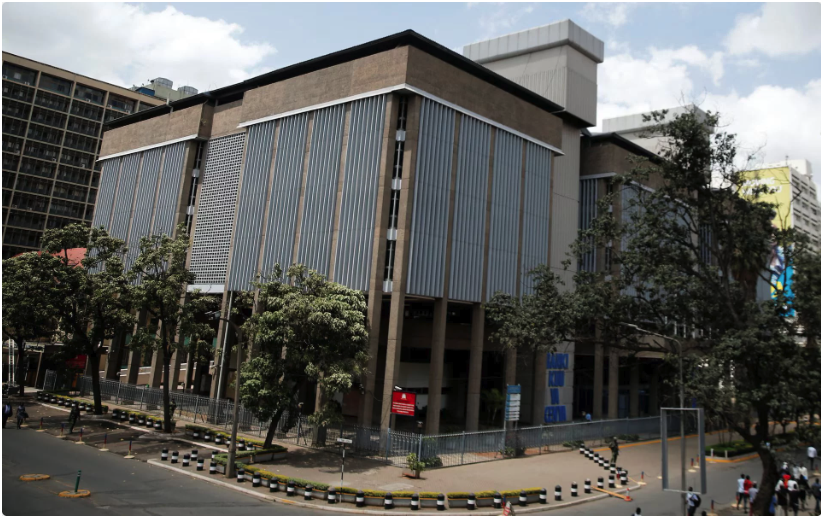
Kenya dey plan to give im central bank stronger powers to take over struggling payment companies, replace their management, and sell their businesses before their problems cause bigger damage to customers and the financial system.
Kenya Wan Tighten Control Over Payment Companies
Imagine say you keep your money for one payment app, send money to somebody, or use the platform collect payment for your business, only for the company to suddenly enter serious financial trouble.
Wetin go happen to your money?
Na this kind problem wey Kenya dey try address through a proposed new law.
The Central Bank of Kenya (CBK) dey seek stronger powers to intervene in struggling payment companies under the draft National Payment System Bill, 2026.
The proposed law go allow the regulator step in when a payment service provider fail to meet im obligations to customers or other financial institutions, violate regulatory requirements, or create risks to financial stability.
If the proposal eventually become law, CBK fit take control of a troubled company’s management and appoint a statutory manager to oversee the business.
The manager fit also supervise the sale of the company’s business.
The idea na to give regulators more options to manage a failing payment company before the situation deteriorate reach the point where liquidation become the only option.
For an industry wey millions of people depend on to send, receive, and store money, the consequences of a company’s failure fit extend beyond the business itself.
Merchants fit struggle to access their sales proceeds, customers fit experience problems with transfers, and other financial institutions fit face difficulties receiving money wey dem expect.
Central Bank Fit Remove Company Directors
The proposed legislation no stop for taking control of a troubled company’s operations.
E also propose to give CBK power to remove company officials wey the regulator consider responsible for the company’s deterioration.
The central bank fit appoint a director wey the company no fit remove without CBK approval.
The regulator could also restrict the company from accepting new payment business or appointing additional agents.
Under the draft bill, the powers of the company’s directors, significant shareholders, senior officers, and trustees would cease when the statutory manager takes over, except where the manager permits them to continue exercising those powers.
In simple terms, company owners and executives fit lose control of the business while the statutory manager handles the intervention.
This kind arrangement fit help prevent a troubled company from taking on additional obligations while the regulator works to manage the situation.
However, the proposed powers also raise important questions about how interventions would work in practice and how the rights of customers, shareholders, and other creditors would be handled.
Customers Fit Still Experience Payment Delays
Although customer protection dey at the centre of the proposal, the draft bill no guarantee say customers go always enjoy uninterrupted access to their money during an intervention.
The proposed framework allows a statutory manager to suspend payments to customers and other creditors while managing the company’s affairs.
This distinction important.
Taking over a troubled payment company no automatically mean say every customer go immediately receive their money or continue to use the service without interruption.
The manager may need time to assess the company’s financial position, outstanding obligations, and available assets.
For customers and businesses wey depend on payment platforms every day, the actual outcome go depend on how the regulator handles the intervention and how much money and other assets remain available.
The proposed law therefore aims to strengthen the regulator’s ability to manage failing providers, but the precise protection customers go receive will depend on the law’s final provisions and how dem implement am.
Kenya Don Take Action Against Payment Companies Before
This no be the first time wey CBK don take regulatory action against a payment company.
For October 2021, the central bank revoked the authorisation of Mobile Pay, wey operated under the Tangaza brand.
According to CBK, the company committed regulatory breaches wey put customer funds at risk.
The regulator said Mobile Pay failed to submit audited accounts for its business and trust fund, alongside security audits and other required reports.
The proposed National Payment System Bill would build on the regulator’s existing powers by establishing a more detailed framework for statutory management, replacing company management, and selling a provider’s business.
Kenya’s banking sector also provides examples of how regulatory intervention fit take different forms.
For October 2015, CBK placed Imperial Bank into receivership. The regulator announced the bank’s liquidation for December 2021.
Chase Bank also entered receivership for April 2016 before reopening that same month under KCB’s management.
For 2018, a transaction transferred 75% of the value of Chase Bank’s deposits to SBM Bank. The remaining business subsequently entered liquidation for 2021.
These cases illustrate some of the options regulators fit use when financial institutions run into serious trouble.
However, the outcome for each institution depends on its particular circumstances, the available assets, and the arrangements made during the intervention.
New Law Fit Create More Room for Fintech Startups
Beyond managing failing payment companies, the proposed legislation also aims to establish a clearer registration and licensing framework for fintech startups.
The bill proposes to repeal and replace Kenya’s National Payment System Act of 2011.
According to the supplied report, the new framework seeks to address a legal grey area wey don slow down fintech expansion in the country.
Commercial banks and telecommunications companies currently play important roles in Kenya’s payment industry.
A clearer licensing framework could make the regulatory requirements for new fintech businesses easier to understand and provide a more defined route for entering the market.
For startups, regulatory clarity matters because businesses need to understand the rules governing their operations before they invest heavily in technology, hire employees, or launch payment services.
At the same time, stronger supervision could require payment companies to improve their compliance, financial controls, and risk management.
The central bank’s challenge go be to protect customers and financial stability while allowing legitimate fintech businesses to innovate and compete.
Wetin This Means for Africa’s Fintech Industry
Kenya’s proposal highlights one important issue for Africa’s growing digital payments industry: innovation must go together with customer protection.
Payment companies dey handle transactions wey people and businesses depend on for their everyday activities.
When one provider fail, the consequences fit affect customers, merchants, business partners, and other financial institutions.
A stronger intervention framework could give regulators more options for managing those failures.
But regulation must also provide clear rules about when authorities fit intervene, how statutory managers go operate, and how customers’ claims go receive attention.
For fintech founders, the proposal also sends an important message: building a successful payment business no be only about acquiring users and processing transactions. Strong financial controls, regulatory compliance, and responsible management matter too.
The big question now na how Kenya go balance stronger customer protection with the need to create room for fintech startups to grow.
The draft National Payment System Bill, 2026, proposes a framework designed to address both sides of that challenge.
However, the final outcome go depend on the legislation’s progress, its eventual provisions, and how the central bank applies the powers wey the law eventually grants am.
Enjoy this gist? Make e dey land for your inbox.